
What Is a Back to School Braces Survival Kit?
A back to school braces survival kit is a small zip pouch your student carries every day. It holds a travel toothbrush and toothpaste, an interdental brush, floss threaders, orthodontic wax, a mini mirror, lip balm, and a refillable water bottle, everything one school day in braces asks for.
Some families call it a braces care kit instead. Either way, it takes the guesswork out of the first few weeks back, which are always the biggest adjustment. New schedules, new lunch periods, new teachers, and (for some kids) brand-new brackets all land in the same week, and a packed pouch means nobody is hunting for wax at 11:40 a.m.
Here’s what belongs in every one:
- Travel toothbrush and toothpaste for after lunch
- Interdental brush to clean around brackets and wires
- Floss threaders for anything the brush misses
- Orthodontic wax for a poking wire
- Mini mirror so a quick check takes seconds
- Lip balm because cheeks and lips get dry early on
- Refillable water bottle for rinsing between classes
Wearing Invisalign clear aligners instead? Swap the wax for a labeled aligner case and cleaning crystals. The case matters more than anything else on the list.
Braces don’t have to interrupt classes, lunch, band, or practice. They just need a plan.
How to Get Through a School Day With Braces: Step by Step
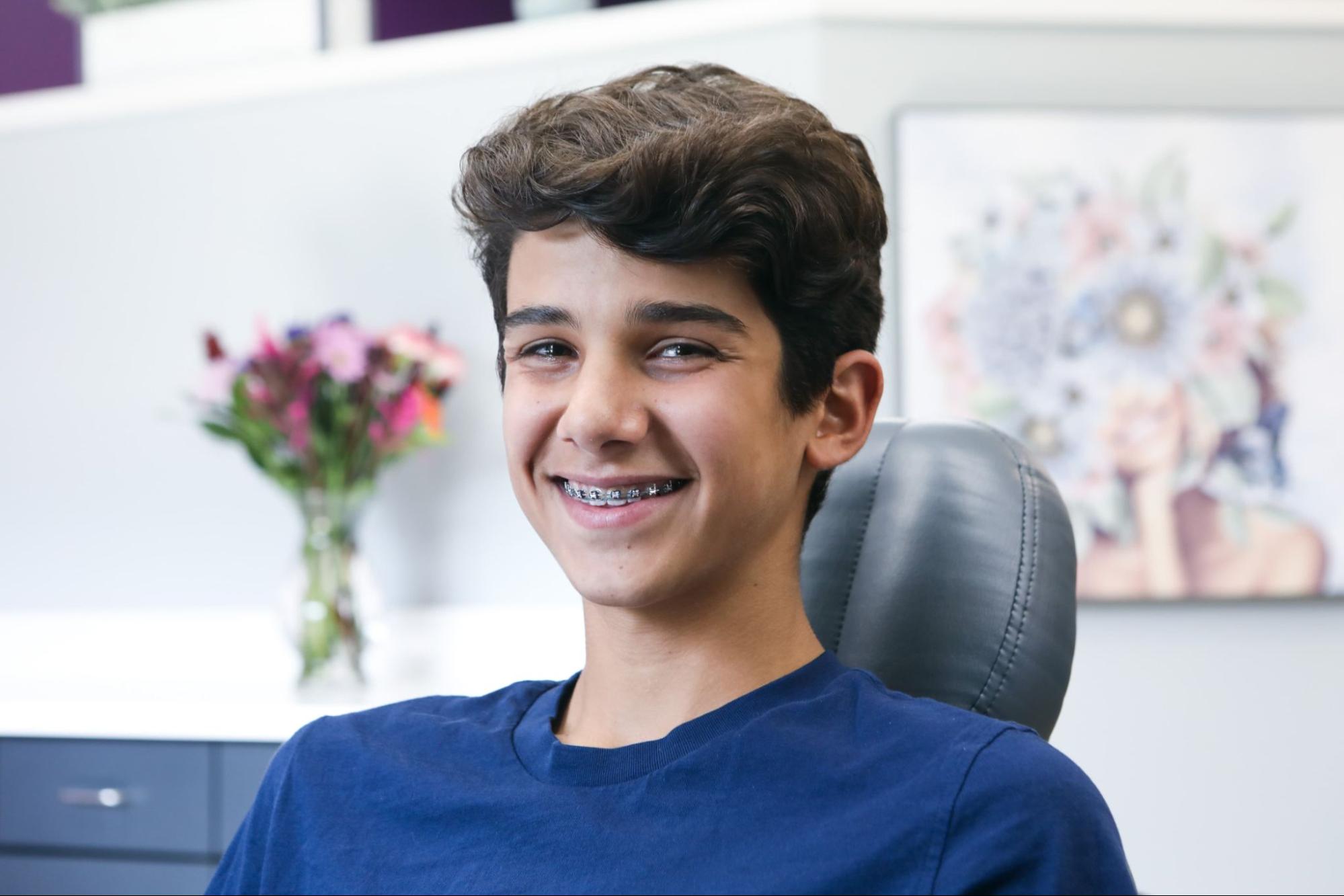
Getting through a school day with braces takes a few extra minutes, not a whole new routine. Brush and floss before you leave, pack your kit, eat braces-friendly foods at lunch, then brush or swish with water afterward. Check for stuck food in a mirror, and do a full clean plus elastics at night.
What Should the Morning Routine Look Like?
- Brush for a full two minutes, angling the bristles above and below each bracket.
- Floss with threaders (or use a water flosser if you have one at home).
- Run your tongue along the wires and check for anything loose or poking.
- Toss the kit in the backpack. Same pocket every day.
What Do Braces-Friendly Lunches and Snacks Look Like?
- Choose soft options: pasta, yogurt, soft sandwiches, cheese sticks, smoothies, cut-up fruit.
- Skip the hard and sticky offenders: ice, popcorn, whole apples, caramel, hard pretzels, gum.
- Rinse with water right after eating, even if there’s no time to brush.
What Should Happen Right After Lunch?
Brush if you can. Swish hard with water if you can’t. Then pull out the mirror for a five-second check, because a poppy seed between brackets shows up more than anyone expects.
Aligner wearers: take them out before you eat anything, store them in the case, and never wrap them in a napkin. Napkins get thrown away. Rinse the aligners before they go back in.
What About After School?
Sports practice means a mouthguard for braces, every single time. Band members may need a few days of extra practice with wax over the brackets before an embouchure feels normal again.
What Should the Evening Routine Include?
Deep clean at night when there’s no bell about to ring. Brush, floss, rinse, and put elastics back in. Elastics only work if they’re actually worn.
What Needs Checking Each Week?
- Restock wax and threaders
- Replace worn toothbrush heads (braces chew through them fast)
- Confirm the date of the next adjustment visit
Why This Back to School Braces Survival Guide Makes the Year Easier
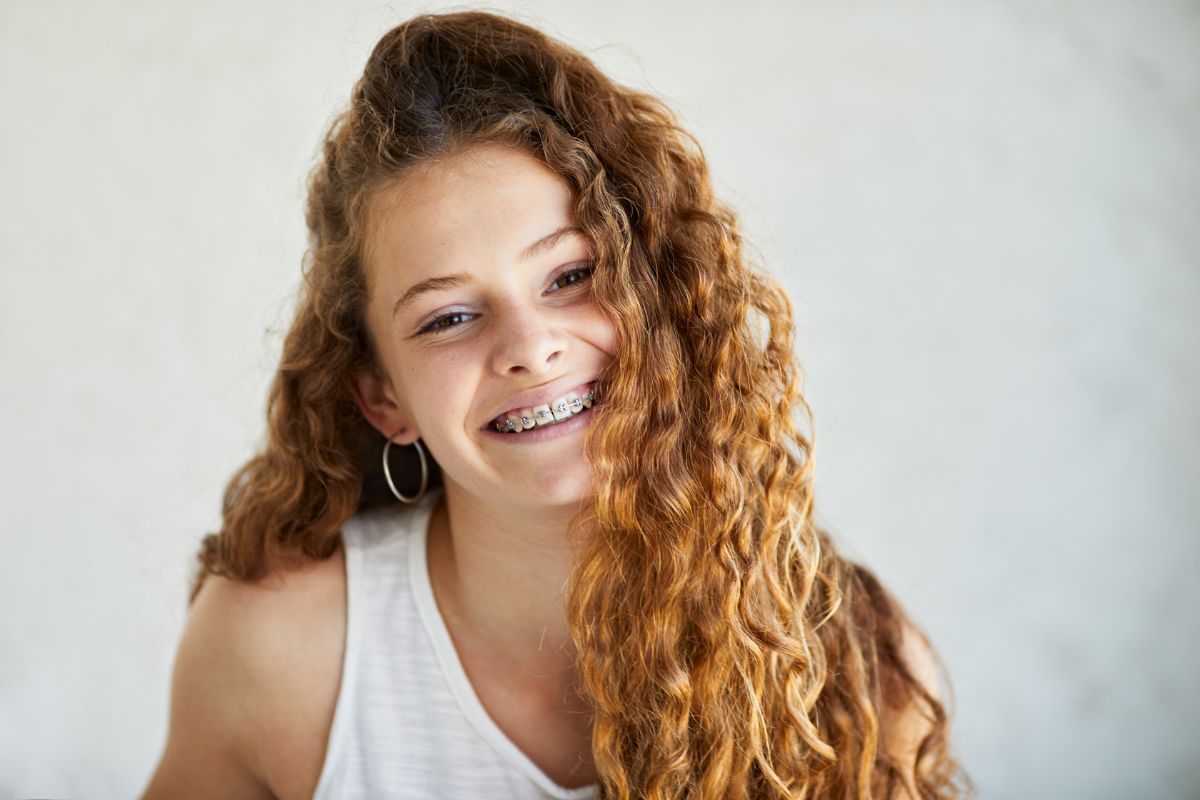
A little prep in August pays off all year. Here’s what families notice most:
- Fewer emergency visits. A student who knows how to place wax on a poking wire can finish the school day and come in later, instead of leaving class early.
- Healthier teeth underneath. Food left sitting around brackets is a leading cause of white spots (decalcification) and puffy, irritated gums. Those white marks can stay visible after the braces come off, so daily cleaning matters more than it seems.
- More confidence. Class photos, group presentations, homecoming, first-day pictures. Clean brackets and fresh breath make all of it easier.
- Treatment stays on schedule. Consistent elastic wear and consistent aligner wear are the two biggest reasons some students finish on time and others don’t.
- Less soreness. Kids who know the soft-food trick and the wax trick handle new wires far better than kids who are figuring it out during third period.
Every smile tells a story. A packed pouch, a two-minute brush after lunch, and elastics worn as directed keep that story moving forward instead of stalling on repair visits.
Braces vs. Invisalign at School: What Changes Day to Day
Families at Rhoads Orthodontic Specialist ask us this every August: which option is easier to manage during the school day? Both straighten teeth well. What differs is how much daily responsibility lands on your student.
| Day to day | Self-ligating braces | Invisalign clear aligners |
|---|---|---|
| Eating | Stay on. Avoid hard, sticky, and crunchy foods | Removed for every meal and snack |
| Cleaning | Brush plus interdental brush and threaders | Brush teeth, rinse aligners before reinserting |
| Sports | Mouthguard for braces fitted over the brackets | Mouthguard worn in place of aligners |
| Speaking | Brief adjustment, mostly the first week | Slight lisp for a few days, then it fades |
| Responsibility level | Lower. Nothing to lose or forget | Higher. 20 to 22 hours of wear daily |
| Biggest risk | Broken bracket from the wrong food | A lost aligner in the cafeteria trash |
Self-ligating braces use no elastic ties, so teeth move more freely and adjustment visits are often further apart. For a family juggling practices, rehearsals, and carpool, fewer trips is a real benefit. No elastic ties also means no staining and fewer places for bacteria to hide.
One rule applies to both: any student in football, basketball, soccer, wrestling, or any contact sport needs a mouthguard. The American Association of Orthodontists recommends mouthguards for athletes in contact sports whether they’re in treatment or not.
Which Students Need Extra Back-to-School Planning
Some kids sail through. Others need a little more setup, and Dr. Rhoads and our team watch for these groups every fall:
- Brand-new braces wearers. The first 7 to 10 days bring the most tenderness. Pack soft lunches and send wax.
- Athletes. Football, basketball, soccer, and wrestling all call for a mouthguard for braces that fits over the brackets. Get it before the first practice, not after.
- Band members. Brass and woodwind players need a short adjustment period. Wax over the front brackets helps while lips toughen up.
- Kids in elastics or an expander. Midday checks help, and so does a reminder text from a parent. Expander turns need a consistent schedule at home.
- Teens with Invisalign clear aligners. Wear time is on them. A labeled case, a phone reminder, and a spare case in the backpack go a long way.
- Younger children. Label the kit with their name, and consider giving the school nurse a heads-up along with a small backup supply of wax.
Back-to-School Braces FAQs
Do I have to brush my teeth at school with braces?
After lunch, yes, whenever it’s possible. Two minutes with a travel brush keeps food from sitting against your enamel all afternoon. If there’s no time or no sink, swish forcefully with water several times and check your teeth in a mirror. Then do a thorough job at home that night.
What lunches are braces friendly?
Soft, easy-to-chew foods work best: turkey or cheese sandwiches on soft bread, pasta, yogurt, smoothies, soup in a thermos, string cheese, hummus, bananas, and fruit cut into small pieces. Skip whole apples and raw carrots (slice them instead), popcorn, hard pretzels, nuts, gum, and caramel. Those are the usual culprits behind broken brackets.
What if a bracket breaks during school?
Don’t panic, and don’t pull on it. Cover any sharp spot with orthodontic wax, save the piece if it comes off completely, and let a parent know so they can call us. Most loose brackets are not urgent, but they should be repaired at the next available visit so treatment stays on track.
Can I play sports and instruments with braces?
Absolutely. Athletes need a mouthguard for braces designed to fit over the brackets, worn at every practice and game. Musicians usually need one to two weeks of practice with wax on the front brackets before playing feels normal again. Plenty of students play through their entire treatment.
How long does new-braces soreness last?
Typically three to five days after braces are placed, and usually less after routine adjustments. Soft foods, cold drinks, and an over-the-counter option approved by your parent or physician all help. Rinsing with warm salt water soothes tender cheeks. Each visit after the first one is easier.
How do I keep aligners from getting lost at lunch?
Use the case. Every single time. Aligners wrapped in a napkin end up in the cafeteria trash more often than anything else we hear about. Keep a spare case in your backpack, and get in the habit of clicking the case shut before you take your first bite.
Who can help us set up a routine that fits our schedule?
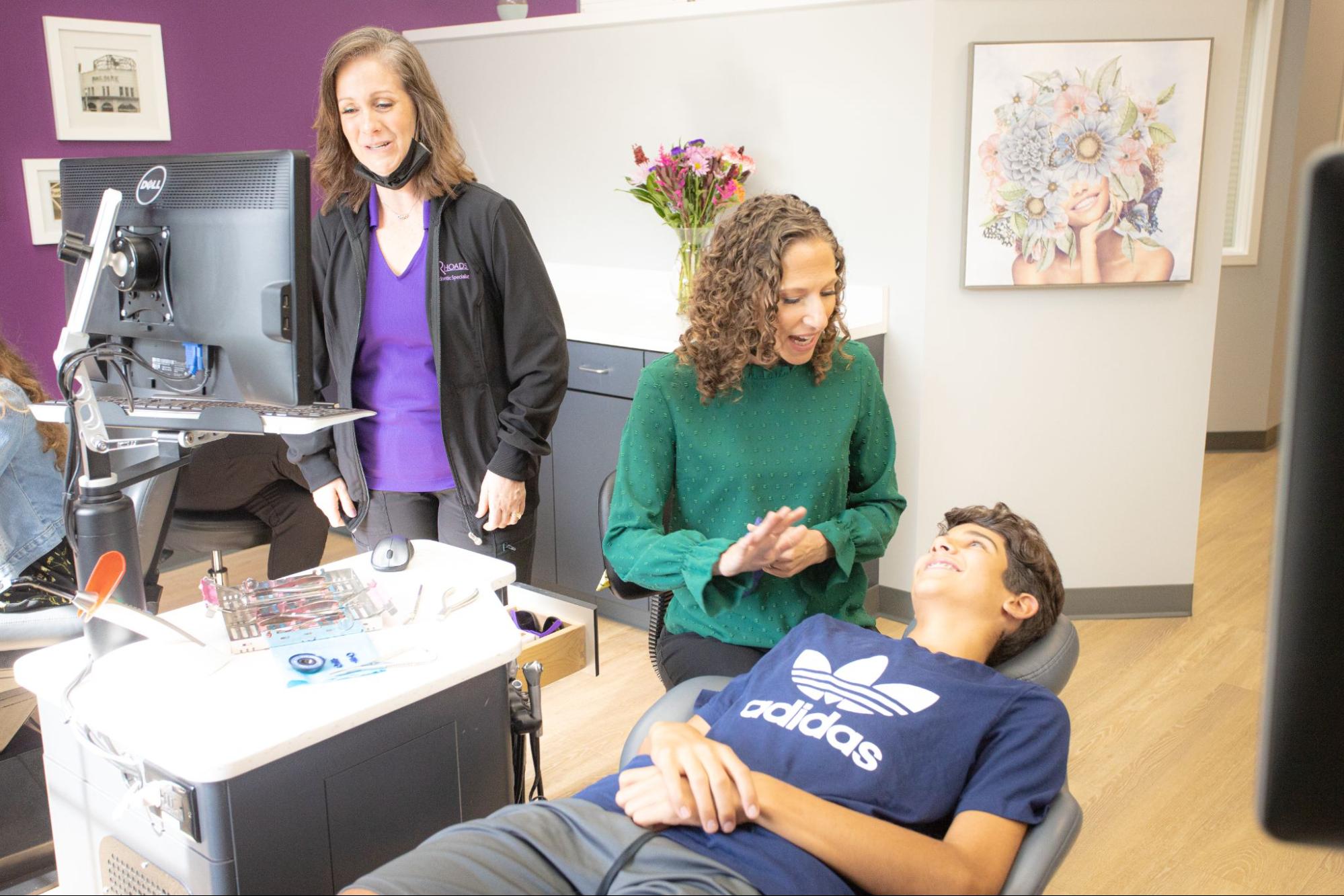
A great smile is a team effort, and that team includes your student, your family, and us. Dr. Stephanie Rhoads is a board-certified orthodontist and an orthodontic specialist, not a general dentist. We use digital scans and 3D technology so there’s no goopy, gaggy impression material, and we build a personalized treatment plan around your busy family’s schedule and your student’s school year.
Not started yet? You’re welcome to schedule a free consult whenever the timing works for your family. Our family can’t wait to meet yours.