
Choosing the right orthodontic treatment for your teen is a big decision, and the good news is you have excellent options. At Rhoads Orthodontics, Dr. Stephanie Rhoads and our team help families find the best fit for every teen’s smile, lifestyle, and goals. This guide walks you through what works and how to decide.

Teen Orthodontic Treatment: What Parents Need to Know
Teen orthodontic treatment corrects crooked teeth, bite issues, and jaw alignment during a key growth window, typically between ages 11 and 15. At this stage, most permanent teeth have erupted and the jaw is still developing, which makes treatment more efficient and often shorter than it would be in adulthood.
So what are the best treatment options for teens? Today’s choices include Invisalign clear aligners, self-ligating metal braces, and self-ligating clear braces. Each option can correct common issues like crowding, gaps, and bite concerns. The right choice depends on your teen’s needs, personality, and daily routine.
Early action matters. Addressing alignment issues during the teen years can prevent more complex concerns later and often shortens total treatment time. As an orthodontic specialist and board-certified orthodontist, Dr. Rhoads has the training to design a personalized treatment plan built around your teen, not a template.
Rhoads Orthodontics offers a free consult so you and your teen can explore every option without pressure. We’ll walk you through what each treatment involves and answer every question along the way.
How Teen Orthodontic Treatment Works Step-by-Step
Here’s what the process looks like from the first visit to the finished smile:
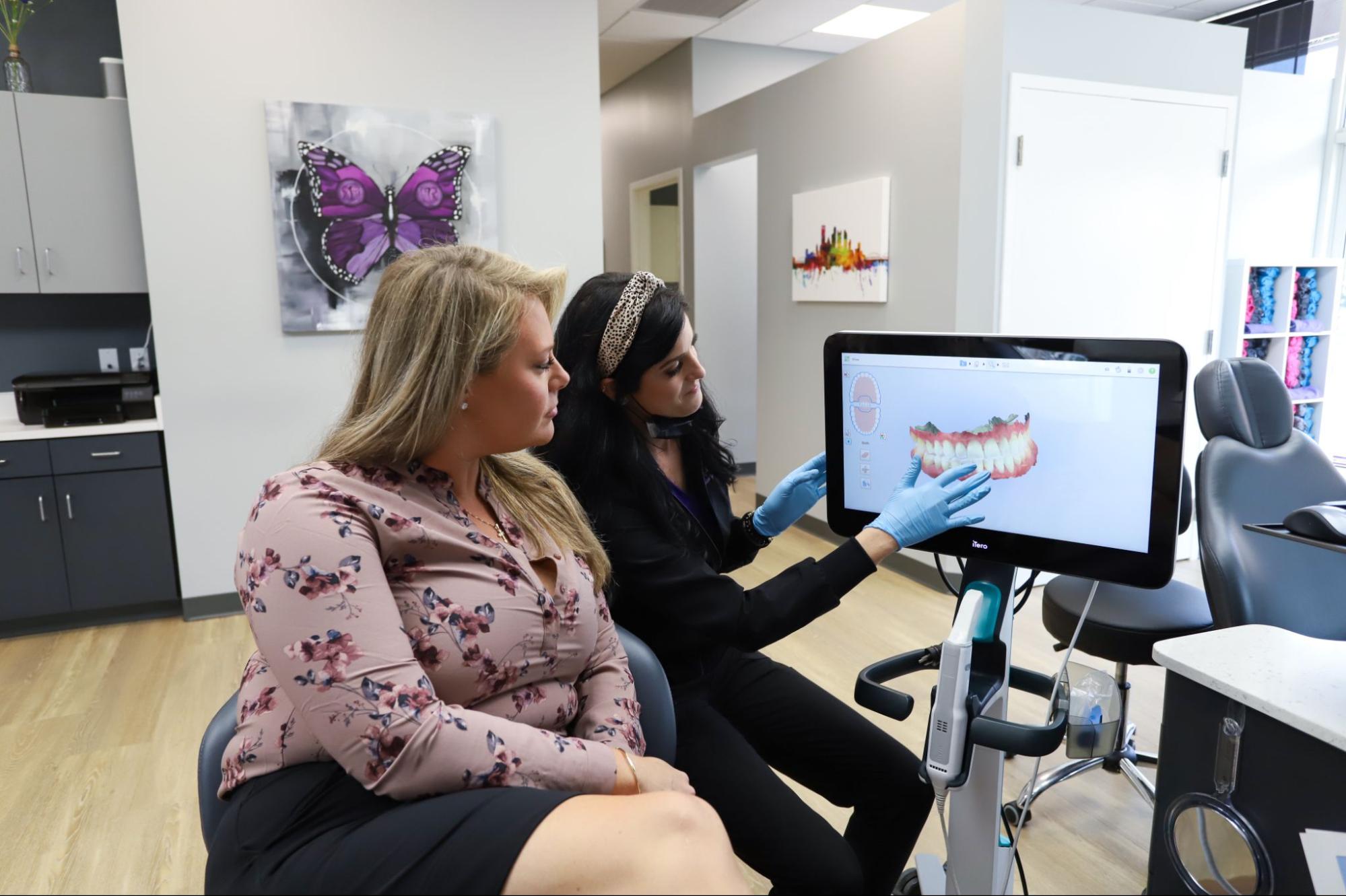
- Free consult and digital scan. Your teen’s first visit includes a thorough exam and a digital scan to assess tooth alignment, bite, and jaw position. No messy impressions required.
- Personalized treatment plan. Dr. Rhoads reviews the scan with you and builds a plan that outlines the recommended treatment and timeline. You’ll see the options side by side.
- Placing braces or delivering aligners. For braces, we bond the brackets and place the wire in one visit. For Invisalign, your teen receives their first set of aligners and clear instructions on wear and care.
- Regular check-ins. Your teen comes in every 4 to 8 weeks so we can monitor progress, make adjustments, and switch out aligners or wires as needed.
- Retainer phase. Once teeth are in their final position, custom retainers protect the new smile long-term.
Most teen treatments take 12 to 24 months, though exact time depends on the complexity of the case. Simpler alignment concerns may finish sooner, while complex bite corrections may take longer.
Our Cranberry Township office uses digital scanning, modern self-ligating systems, and Invisalign clear aligners to keep visits efficient and comfortable. Teens like that visits are quick, and parents appreciate how easily appointments fit into a busy schedule.
Key Benefits of Orthodontic Treatment for Teens
Dr. Rhoads often tells families that the teen years are a sweet spot for orthodontic care, because growing jaws and newly erupted permanent teeth respond well to treatment. Here’s what your teen gains during these years:
- Easier oral hygiene. Straight teeth are easier to brush and floss, which lowers the risk of cavities and gum concerns down the road.
- Better bite function. Correcting an overbite, underbite, or crossbite improves chewing and speech clarity and reduces strain on jaw muscles.
- A real confidence boost. Think yearbook photos, prom pictures, speech class, and that first job interview. A straight smile shows up in all of them, and teens tell us they stop covering their mouths when they laugh.
- Fewer, shorter visits with self-ligating braces. Modern self-ligating braces use a built-in clip instead of elastics, which means fewer adjustments and a more comfortable experience between visits.
- Discreet options with Invisalign. Invisalign clear aligners are nearly invisible and removable, making them a popular pick for teens in sports, band, theater, or anyone who wants to keep their look consistent.
- Preventive value. Correcting alignment and bite issues now can prevent bigger concerns in adulthood, including excessive wear, chipped teeth, and jaw strain.
- Lifelong results. With proper retainer wear, the smile your teen earns today can last a lifetime.
Beyond the clinical benefits, treatment helps teens build responsibility. Tracking aligner wear or caring for braces builds habits that carry into adulthood. A great smile is a team effort, and we’re here to support your family every step of the way.
Invisalign vs. Clear Braces vs. Metal Braces for Teens
Each option has strengths. Here’s how they compare so you can see which fits your teen best:
| Feature | Invisalign Clear Aligners | Self-Ligating Clear Braces | Self-Ligating Metal Braces |
|---|---|---|---|
| Appearance | Nearly invisible | Tooth-colored, subtle | Visible, modern design |
| Removable | Yes | No | No |
| Compliance Required | 22+ hours daily wear | None | None |
| Best For | Mild to moderate cases | Teens wanting discreet fixed option | All case types, including complex |
| Food Restrictions | None (removed to eat) | Minor | Some sticky/hard foods avoided |
| Visit Frequency | Every 6-8 weeks | Every 4-8 weeks | Every 4-8 weeks |
| Sports & Instruments | Easiest (removable) | Mouthguard recommended | Mouthguard recommended |
Invisalign clear aligners work well for responsible teens who can commit to wearing them 20 to 22 hours per day. They’re removable for meals, brushing, and special events.
Self-ligating clear braces give you an aesthetic fixed option with no compliance worries. They stay on the teeth and do their work automatically.
Self-ligating metal braces are the most durable choice. They handle complex cases well and come in options teens can personalize with colored elastic ties if they want.
Lifestyle matters here. A teen who plays contact sports, practices wind instruments, or wants maximum discretion may lean toward Invisalign. A teen with a packed schedule and no interest in tracking wear time may do better with braces. Dr. Rhoads will help you weigh these factors during your free consult.
Is Your Teen a Good Candidate for Orthodontic Treatment?
Most teens are great candidates once their permanent teeth have erupted, usually around age 11 or older. Is it time for a visit? Run through this quick checklist:
- Permanent teeth are in. Most baby teeth have been replaced by permanent teeth.
- Visible alignment concerns. Crowding, gaps, crooked teeth, or teeth that stick out are all signs worth checking.
- Bite issues. Overbite, underbite, crossbite, or open bite.
- Functional concerns. Difficulty chewing, speech issues, or jaw discomfort.
- Good oral hygiene habits. Consistent brushing and flossing supports success with any treatment option.
- Readiness for responsibility. Teens choosing Invisalign need the discipline to wear aligners 20 to 22 hours daily and keep track of them.
Not sure if your teen is ready? That’s exactly what a free consult is for. Dr. Rhoads will evaluate your teen’s teeth, bite, and growth patterns, then recommend the best path forward. As a board-certified orthodontist and orthodontic specialist, she has the advanced training to spot concerns a general dentist may not catch.
Our Cranberry Township office makes it easy to schedule a free consult. Many families tell us they wish they had come in sooner.
Frequently Asked Questions About Teen Orthodontics
What age should my teen start orthodontic treatment?
The American Association of Orthodontists recommends an orthodontic evaluation by age 7, but active treatment often starts between ages 11 and 15. That’s when most permanent teeth have erupted and the jaw is still growing, which makes treatment more efficient. A free consult can determine the right timing for your teen.
How long do braces or Invisalign take for teens?
Most teen treatments take 12 to 24 months. Simpler cases may finish sooner, while complex bite corrections may take longer. The exact timeline depends on the issue being corrected, the treatment option chosen, and how consistently your teen follows the plan, especially with Invisalign aligner wear.
Can my teen play sports or instruments with braces?
Yes. Teens with braces can play sports, and we recommend a mouthguard for contact activities. Playing wind instruments is also possible, though there may be a short adjustment period. Invisalign clear aligners can be removed during games or performances, which many active teens prefer.
What happens if my teen loses an Invisalign aligner?
If an aligner is lost, contact our Cranberry Township office right away. Depending on where your teen is in the current tray, we may recommend moving to the next aligner, going back to the previous one, or ordering a replacement. Teen Invisalign plans often include replacement aligners for situations like this.
How do I know which treatment option is best for my teen?
The best option depends on your teen’s specific alignment needs, lifestyle, and personality. During a free consult, Dr. Rhoads evaluates the teeth and bite, then walks you through the options that fit. You’ll leave with a clear recommendation and the information you need to decide together as a family.
Ready to find the best orthodontic option for your teen? Schedule a free consult at Rhoads Orthodontics in Cranberry Township and meet Dr. Rhoads and our team. Our family can’t wait to meet yours.
Call 724-742-2300 or schedule a free consult online to get started today.